

Ever stared at your jammed front door in Melbourne and wondered if a quick YouTube fix will do—or if you should call a pro? In this city’s unpredictable housing scene, a faulty lock is more than an annoyance; it’s a weak link in your home’s security. With burglaries on the rise (break-ins jumped 24.8% in one year), lock quality matters.
Think of your front-door lock as the bouncer at a trendy Melbourne bar’s velvet rope. A subpar guard (your DIY fix) might look busy but still let trouble slip by, while a professional locksmith is the serious guard: trained, experienced, and very hard to dupe. As one Aussie design guide bluntly puts it, “locks and security screens should be installed to deter thieves”. I’ve even seen social media threads titled “Lock replacements in Melbourne”, where Melburnians debate DIY vs pro. With roughly two-thirds of break-ins targeting homes, a reliable lock replacement isn’t just cosmetic—it’s essential. When in doubt, hire a licensed pro; get it done right the first time.
With roughly two-thirds of break-ins targeting homes, a reliable lock replacement isn’t just cosmetic—it’s essential. When in doubt, hire a licensed pro; get it done right the first time.
Lock Replacements in Melbourne: DIY Dangers

You might be handy with tools, but DIY lock replacement has pitfalls. Common mistakes include misaligned strike plates, overtightened screws that bend the latch, or using the wrong parts. Even one misstep—like drilling at the wrong angle—can turn a “fixed” lock into a security liability. Cheap or ill-fitted locks can actually make your home an easier target for burglars.
- Improper Installation: DIY lock changes often result in locks that jam or don’t latch fully. A misaligned deadbolt might need a punch or slide to lock, giving thieves an opening.
- Weak Hardware: Locks from big-box stores vary in quality. Without professional guidance, you might fit a latch or cylinder that looks fine but isn’t up to standard.
- Hidden Hazards: A poorly fitted lock can strain the door frame, crack woodwork, or leave gaps. As weather and wear set in, these flaws worsen, making the door easier to pry open.
In practice, that simple DIY “upgrade” can cost you more than just your security: it might cost extra repairs or a stolen TV. As one locksmith source warns, DIY install “could result in security weaknesses or difficulty locking and unlocking your doors”. You wouldn’t wear a hole-ridden helmet on the freeway; similarly, why trust a half-installed lock to keep your home safe?
Lock Replacements in Melbourne: Why Locksmith Upgrades Offer Peace of Mind
Hiring a professional locksmith brings expertise and quality you just can’t pick up overnight. Locksmiths know the ins and outs of door hardware: they’ll spot rusted pins, warped latches, or frames that need shims. They carry the right tools—torque wrenches, professional-grade drill bits, and code-compliant locksets—to do the job right. In fact, “locksmiths have the training and the right tools to change locks efficiently and securely,” which can save you a frantic weekend of trial-and-error.
So what are the perks of a locksmith-handled lock replacement?
- Expert Installation: A qualified locksmith ensures the new lock is perfectly aligned and smooth-turning. They can adjust the strike plate or door frame on the spot, so the deadbolt engages securely every time.
- Quality Locks: Professionals often use higher-grade locks that meet Australian standards (e.g. AS 4145). These certified products are tested for strength—no flimsy latch that fails a pry test will do.
- Security Audit: A locksmith can spot other weak spots (like loose hinges or poor door materials) and recommend improvements. They act like a home security consultant, not just a mechanic.
- Warranty & Insurance: Most locksmiths offer a guarantee (often 12+ months). Their work is usually insured as well. In fact, hiring a licensed locksmith “could also ensure that your work is insured, whereas a DIY lock change might not have coverage”.
Importantly, government guidelines in Victoria stress that each external door must have a working deadlatch, as outlined by Consumer Affairs Victoria. A random bargain-store lock might technically shut, but it may not comply with rental or building rules.
DIY vs. Professional Lock Replacement: A Quick Comparison
| Aspect | DIY Fix | Locksmith Service |
|---|---|---|
| Skill Required | Basic household tools | Professional training |
| Time & Effort | Often longer; trial-and-error | Faster; done right first time |
| Security Quality | Prone to alignment errors | High, using tested hardware |
| Warranty | None | Typically 12+ months |
| Compliance | No guarantee | Meets Australian standards |
| Cost | Cheaper parts, no labor | Higher upfront, includes expertise |
This comparison highlights why many Melburnians choose pros. DIY might save a few dollars initially, but over 76% of break-ins go unsolved—a botched lock is no consolation if someone takes your stuff.
Lock Replacements in Melbourne: Red Flags and When to Act
Even if you love a DIY challenge, know when a lock has officially “seen its last sunrise.” Look for warning signs: a key that sticks when turned, a lock body that wobbles, or visible rust and broken parts. Also, after any break-in or attempted tampering, you should replace the lock entirely. Experts warn that after a break-in “you should change your locks”, since thieves may have damaged the mechanism or copied your key.
Treat these symptoms seriously. It’s like a boat with a slow leak—ignoring it might hold for now, but could lead to deeper trouble. You’ll often see people Googling lock replacements in Melbourne after a scare, reading home-improvement tips and cautionary tales.
If you notice any of these issues, it’s time to act. In many cases you have two choices: a quick fix (like lubricating a sticky lock) or a full replacement. A locksmith can help you decide. If the cylinder is intact and just the key is lost, rekeying (changing the internal pins) might suffice. But if your lock is decades old or starting to fall apart, a brand-new deadbolt is usually wiser. Remember, Melbourne’s chilly winters and coastal humidity can rust even sturdy locks faster than drier climates. Regular lock replacements in Melbourne keep everything turning smoothly.
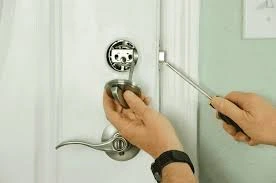
Lock Replacements in Melbourne: Safer Replacement Tips
- Inspect Your Locks Regularly: Check for wear and tear. If the deadbolt no longer extends smoothly, or you need muscle to lock the door, it’s time for a new lock.
- Choose Quality Hardware: Opt for proven brands or locks that meet Australian standards. Higher-grade cylinders and deadbolts may cost more but last longer.
- Follow Regulations: If you rent, landlords must ensure locks comply. Even as a homeowner, check any heritage or strata rules (some older Melbourne homes have specific requirements). Don’t guess—get the right lock for your situation.
- Local Factors: Different Melbourne suburbs have different needs. A lock replacement in a historic Fitzroy terrace might focus on old-style mortice locks, while a modern Docklands apartment might use smart deadbolts. Either way, lock replacements in Melbourne should be tailored to your area’s risks.
- Hire the Right Pro: Make sure your locksmith is licensed and insured. Look for reviews or recommendations – local neighborhoods like Fitzroy, Brunswick or St Kilda have their trusted experts. A Master Locksmiths Association member is a good sign.
- Keep Records: Save receipts detailing the new lock type and key count. This helps with insurance claims or resale down the line.
Remember: the goal is peace of mind. A well-installed lock is like a reliable safety net—you hope you never have to really test it, but you’ll be glad it’s there if trouble comes knocking.
Lock Replacements in Melbourne for a Safe Home
Lock replacements in Melbourne might not seem glamorous, but they’re a cornerstone of urban living. Whether you’re sipping a flat white in Carlton or working late in Docklands, you want to return to a truly secure home. A half-done DIY job can leave you vulnerable; a locksmith-handled upgrade gives you fortress-like confidence.
The stakes are real—tens of thousands of Victorian homes are targeted by thieves each year. So why roll the dice on something so critical? By investing in professional lock replacement, you lock out more than intruders – you lock in peace of mind. Stay safe out there, Melbourne.
Frequently Asked Questions
Is it safe to DIY lock replacements in Melbourne?
It can be tempting to save money, but mistakes can leave your locks vulnerable. As experts warn, improper installation may cause security weaknesses. Unless you have the right tools and experience, hiring a licensed locksmith is often safer for lock replacements in Melbourne.
Can DIY lock replacement void my insurance?
Possibly. Some insurers require that locks are fit-for-purpose (often meaning professional-grade locks). If a DIY job fails during a break-in, an insurer might question it. A certified locksmith’s work usually keeps you covered.
Is rekeying the same as replacing a lock?
Not exactly. Rekeying changes the internal pins so old keys won’t work (new keys, old lock), while replacing swaps in an entirely new lockset. Rekeying is cheaper if the lock is in good shape; full replacement is safer for worn-out or outdated hardware.
How much do locksmiths charge for lock replacements in Melbourne?
Prices vary widely. In 2025, expect roughly $100–$300 per lock (including parts and labor), depending on lock quality and difficulty. It’s more than a basic DIY part, but you get a warranty and expert installation. Always ask for a quote.
How often should I replace door locks?
As a rule, consider replacing locks every 10–15 years or whenever you move house. Regular lock replacements in Melbourne help keep your security up-to-date and compliant with any local regulations.