

Locksmith working on a door lock using specialized tools. Picture this: you’re locked out of your Melbourne home on a rainy night. You twist the key… and snap! It breaks off inside the lock, leaving you shivering in the doorway. For someone like me who’s no DIY expert, that’s an instant panic moment.
At that point, you’ll want to call an Emergency Locksmith in Melbourne – your door-unlocking hero with all the right tools and know-how. In this post, we’ll dive into exactly what happens when you call one of these pros for a broken key: the step-by-step rescue, the tools they use, and how they fix or replace your lock so you can get back inside safely.
Why a Broken Key Feels Like a Lockout Emergency
A snapped key is more than just an inconvenience – it’s an instant lockout emergency. One minute you have access, and the next you’re stuck outside your home, office or car. A broken key inside the lock also leaves that lock compromised (you may not be able to lock or unlock the door at all) and can even attract unwanted attention if a part of the key is visible. In a city like Melbourne, where we rely on our doors to keep us safe, this is a serious hassle. You’ll want a quick solution to minimize stress and keep your property secure.
Before the locksmith arrives, you might try your own tricks: some guides suggest using tweezers or a needle-nose plier to grab the protruding bit, sliding a thin saw (like a jigsaw or hacksaw) blade into the lock to hook onto the key, or even a drop of superglue on a stick (paperclip, match, etc.) to bond to the key and pull it out.
These DIY methods can sometimes work if the key isn’t jammed too far in, but they carry risks. Push too hard or use the wrong tool and you could wedge the fragment deeper, or gunk up the lock with glue. It’s usually best to stay calm, avoid forcing anything, and wait for a professional – after all, every minute of fiddling with the lock could damage the mechanism.
Calling the Pros: When to Use an Emergency Locksmith in Melbourne
In a situation like this, calling an emergency locksmith in Melbourne is often your smartest move. Most 24/7 emergency locksmith services advertise response times of 20–30 minutes (traffic permitting), especially in metro areas like the CBD and inner suburbs. These mobile pros will come to you day or night. When you call, explain “broken key in lock” and they’ll be on the way with their toolbox.
Once on scene, a qualified locksmith will first assess the situation. They’ll ask questions (e.g. What kind of lock is it? Is any key bit sticking out?), examine the cylinder, and make sure you’re not trying to use force. If the fragment is very shallow, they might begin extraction right away. If it’s deep or the lock looks damaged, they’ll prepare for more advanced steps. Throughout, they’ll reassure you and explain the process – no scary drilling or unnecessary damage unless absolutely needed.
In fact, they might employ tricks you wouldn’t think of: sometimes simply tapping the lock gently (with a rubber mallet or hand) while keeping the keyhole pointed downward can dislodge tiny fragments. They’ll also use lubricants like graphite or WD-40 to reduce friction (as KeyItLocks advises, a little spray can help loosen that stubborn key).
Tools and Techniques Used by a Locksmith
When it comes to removing broken keys, emergency locksmiths come armed with specialized tools that you typically don’t have at home. Here are some of the main methods and equipment they use:
- Needle-nose Pliers or Tweezers: If part of the key is still sticking out, the locksmith will try to grip it carefully with long pliers or tweezers and pull it out. This only works if there’s something to grab.
- Broken-Key Extractor Kit: These kits include very thin, hooked tools designed to slide into the keyway alongside the broken piece. The technician inserts the hook, twists it to snag the key’s teeth, and pulls it straight out. It takes a steady hand, but a pro can remove even deeply lodged fragments this way.
- Lock Picks and Tension Wrench: Sometimes locksmiths use a little bit of lock-picking technique. They apply gentle rotational tension with a wrench while using picks or probes to tease the key fragment free. This makes the inner pins settle in a position that actually helps the extractor pull the key out.
- Lubricant (WD-40 or Graphite): Before and during extraction, a spray of lubricant can make all the difference. It seeps in to coat the key fragment and the lock’s inner walls, allowing the part to slide out more easily. The locksmith may spray it into the keyway and give it a few minutes to work before attempting removal.
- Drill (Last Resort): If the key is completely stuck or the lock is damaged, the locksmith may decide to drill out the old cylinder or lock mechanism. This is done very precisely – only after all extraction attempts have failed. Once drilled out, the fragment is removed along with the drilled-out core, and then the locksmith can install a new cylinder or lock. (This may feel extreme, but a pro will know how to do it cleanly. KeyItLocks notes that professionals will repair or replace a lock if it’s been harmed in the break.)
To summarize the tools at a glance:
| Tool/Method | Purpose/Use Case |
|---|---|
| Needle-nose Pliers/Tweezers | Grip and gently pull out any part of the key that’s still exposed in the keyway (if visible). |
| Broken Key Extractor Kit | Special hook-shaped files or spiral extractors slide alongside the broken piece; used to latch onto the key and pull it out. |
| Lubricant (WD-40/Graphite) | Reduces friction inside the lock, helping the broken fragment slide out more easily. |
| Tension Wrench & Picks | Maintains slight rotational tension on the cylinder while picks hook or manipulate the key piece (a lock-picking style approach). |
| Drill (Emergency Use) | If all else fails, the lock cylinder is drilled out and replaced to free the key fragment. |
Professional locksmith using lock picks and a broken-key extractor tool on a door lock. Skilled locksmiths in Melbourne carry these tools on their key rings and in their kits. For example, Brevard Lock Services explains that the extractor tools have tiny barbs to “latch onto the key fragment”. Once the tool hooks the key, the locksmith can gently twist and pull it straight out, keeping the rest of the lock intact.
Key Point: Even if you’ve seen DIY attempts with saw blades or glue, a certified locksmith will usually have a safer, faster method. As the Altona Locksmiths note, they use “advanced extraction tools” and years of experience tailored to each lock type. That expertise means less risk of breaking off the key deeper or wrecking your lock.
The Locksmith’s Step-by-Step Process
When the emergency locksmith arrives (often within half an hour in Melbourne’s suburbs), here’s roughly what happens:
- Assessment & Setup: They confirm it’s a broken key situation and make sure you’re safe. They’ll prepare their tools: extractors, tweezers, lubricant, tension tools, etc.
- Initial Extraction Attempt: If part of the key is visible, they might first spray in some lubricant. Then they’ll try grips/pulls gently. If that fails or nothing is visible, they move to the extractor hook method. They insert the extractor alongside the key and hook it out as described above. Often this succeeds without any further drama.
- Testing the Lock: After the broken piece is out, they test the key or a spare. Sometimes the lock cylinder is scratched or won’t turn smoothly anymore.
- Repair or Replace: If the lock is damaged or unsafe, the locksmith will fix it on the spot. This might mean re-aligning pins, re-keying the lock (cutting it to a new key), or even swapping in a brand-new cylinder. Experienced locksmiths have small cutting machines in their van, so in many cases they can cut you a replacement key right there once the lock is safe.
- Clean-Up and Tips: They ensure the lock works smoothly again, remove any metal debris, and may lubricate it once more. A good locksmith will also give you quick advice (like “don’t force the key next time” or maintenance tips).
If the extraction is especially tough (for example, if the key breaks off at an odd angle or inside a high-security lock), the locksmith knows backup plans. In rare cases, they may need to pick the lock open first or, as a last resort, drill it out and replace it entirely. Throughout, the goal is to get you back inside without wrecking your door or lock. As KeyItLocks warns, trying to hack it yourself can often cause extra damage – professionals will stop and call it an emergency if the key won’t come out easily.
Quick Tip: If you ever have a broken key, keep a glass of water with a pin soaking in lube or WD-40 ready. A locksmith can dip that pin in to apply lubricant in tiny spaces.
After the Key is Out: Repair, Rekeying, and Prevention
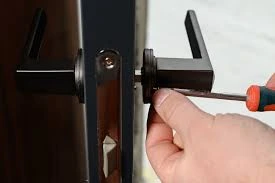
Once the broken bit is out, the locksmith’s job isn’t always done. They’ll make sure the lock is still secure. If they used the drill or if the lock cylinder shows wear, they might re-key the lock (rearrange its pins) so it fits a new key, or replace the whole cylinder. As noted earlier, a pro “will be able to repair or replace the lock” as needed. In most cases, a fully repaired or new lock will work smoothly with the same key or with a brand-new key they cut on the spot.
As for the rest of your day: once the locksmith has handed over your house key and you’ve tested the door, you’re good to go – no more jagged key fragments to worry about. It’s wise, though, to take preventive steps so it doesn’t happen again. Simple maintenance can make a big difference. For example, lightly lubricating the lock with graphite or silicone every few months keeps it turning smoothly. Also inspect your keys: if a key has worn or bent edges, it’s on the verge of breaking. Replace any suspect keys before they fracture. (A rusty lock or a stiff mechanism is like a trap for keys – so keep your locks clean!)
Preventive Checklist:
- Lubricate locks yearly (graphite spray, silicone, etc.) to avoid high friction.
- Use good-quality keys and avoid excessive force when turning. Bent or chipped keys should be replaced.
- If the door or lock begins sticking, call a emergency locksmith before the key snaps.
By taking those steps, you reduce the risk of a mid-drizzle fiasco. But if it does happen again, you’ll know what’s coming.
Trust and Choosing the Right Locksmith
In an emergency, you want someone trustworthy and professional. Not all “locksmiths” are created equal. Always insist on a license or an association membership if possible. For instance, the Master Locksmiths Association of Australasia lists accredited members around Victoria. A member locksmith is bound by a code of practice.
Why does this matter? Unfortunately, some so-called “emergency locksmiths” have been caught ripping customers off. In fact, Consumer Affairs Victoria recently issued a warning about a Melbourne locksmith company that quoted low prices on the phone but then billed customers hundreds of dollars more. The acting director of Consumer Affairs urged caution, reporting that customers were “misled about their prices” and sometimes even harassed into paying extra.
To avoid that pitfall: ask up front for an estimate or call-out fee before they arrive, and check reviews or membership (for example, MLA membership). A reputable emergency locksmith in Melbourne will communicate clearly and won’t pressure you into needless extras. When the work is done, make sure the problem is resolved (the key turns smoothly and the lock functions) before paying.
In short, pick someone you trust. A good locksmith can be your best ally, but an unscrupulous one will only make your day worse.
Conclusion
A broken key situation can be stressful, but it doesn’t have to end in disaster. The right emergency locksmith in Melbourne will calmly turn a nightmare into a solved problem. They’ll arrive promptly, use high-grade extractors and techniques to free your key, and get your door working again (even fitting a new key or lock cylinder if needed). Modern locksmiths avoid unnecessary damage and know how to handle every tricky scenario.
Remember: if your key snaps, stay calm, don’t keep twisting or forcing it, and call a 24/7 locksmith service. Keep a local number saved in your phone just in case. With a little luck (and lubrication), you’ll be back inside in no time, safe and sound.
Feeling locked out? Don’t fret—help is a phone call away. A professional emergency locksmith can turn that broken-key disaster into a quick fix. Safe travels through Melbourne’s locks, and remember: smooth locks, happy keys!
Frequently Asked Questions
What should I do first if my key breaks in the lock?
Stay calm. If a piece is sticking out, you can gently try tweezers or needle-nose pliers. But don’t force it. Calling an emergency locksmith is usually best – they use special tools to extract it safely.
Can I remove a broken key myself?
You can try simple methods (pliers, a thin saw blade along the key’s edge, or a bit of lubricant). However, mistakes (like pushing the key deeper or gluing it in) are common. If those fail, it’s safer to let an emergency locksmith handle it.
How quickly can a locksmith arrive in Melbourne?
Many 24/7 locksmith services aim to reach your location in about 20–30 minutes for emergencies, depending on traffic and where you are in Melbourne. (Some inner-city calls can be under 20 minutes in practice.)
Will the locksmith damage my lock?
Professionals use precise methods to avoid harm. They’ll extract the key fragment without drilling or breaking the lock whenever possible. If they find the lock is already damaged or weakened, they’ll let you know and usually replace or re-key it on-site.
How much does it cost to extract a broken key?
Prices vary, but expect a call-out fee plus labor. It can range roughly from $100 to $200 or more for an emergency job. Always ask for an approximate quote. (Be cautious – consumer authorities have warned that some services have overcharged customers.)
How can I prevent a key from breaking in the future?
Maintain your locks and keys: use good-quality keys, avoid forcing a stiff lock, and lubricate your locks occasionally. Also inspect keys for wear – if a key is bent or its teeth look worn, get a replacement before it snaps.