
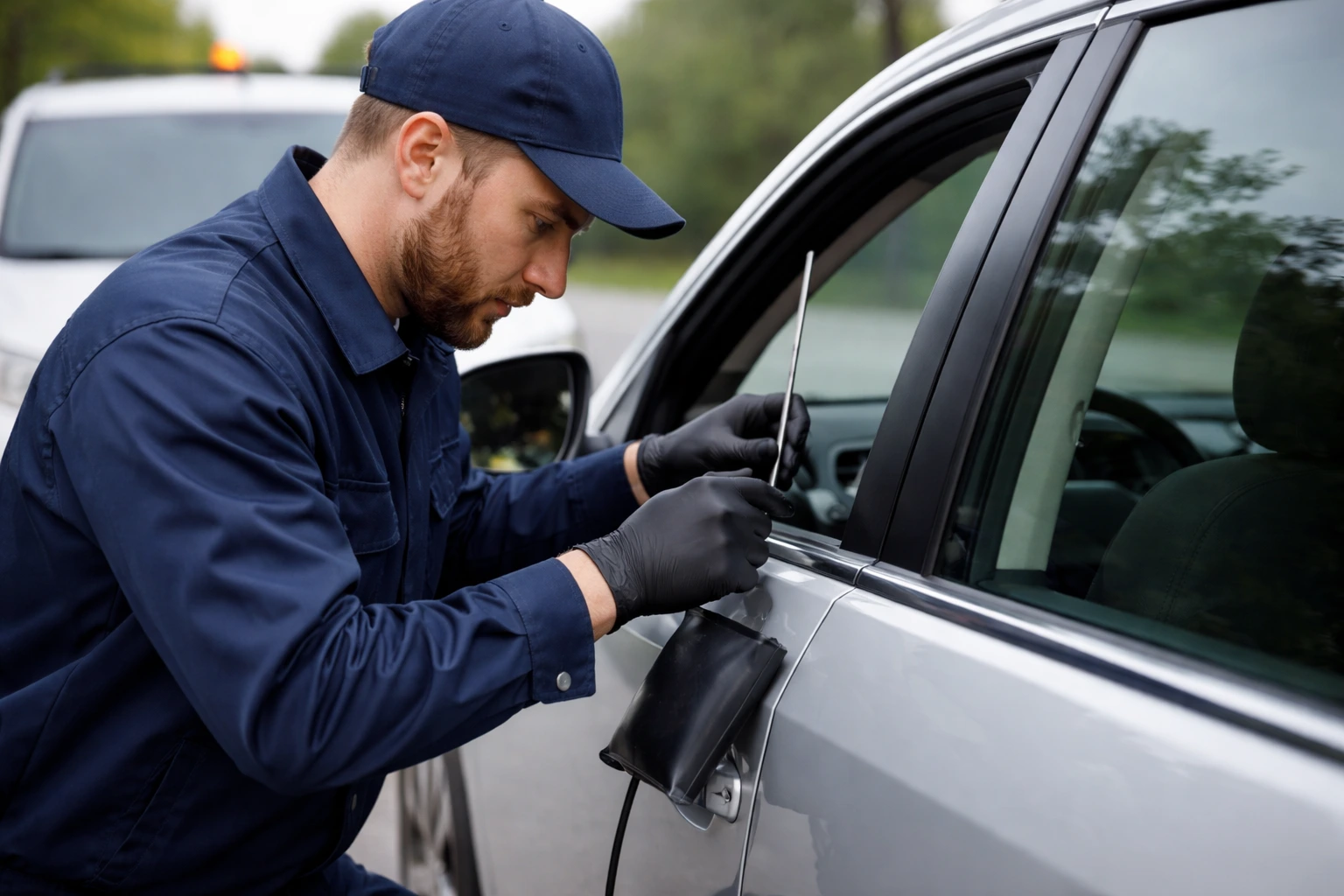
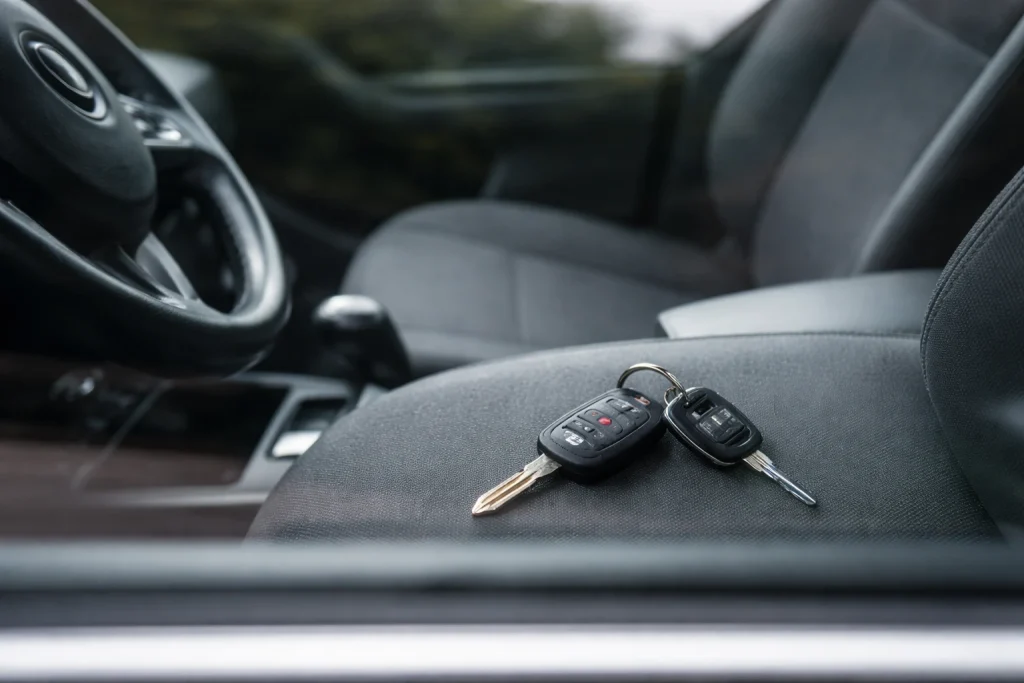
Getting locked out of your car is a common issue for drivers across Melbourne. According to roadside assistance data, thousands of callouts every year are linked to keys locked inside vehicles. With modern cars becoming more complex, a simple mistake can quickly turn into a frustrating situation.
Before attempting to unlock your car yourself, it’s important to understand how today’s vehicle security systems work. This article explains when it makes sense to call a professional vehicle lockout service in Melbourne instead of risking damage with DIY methods.
Why DIY Lockout Attempts Often Cause More Harm Than Good
When you realise you’re locked out, the first step should always be basic checks:
- Do you have access to a spare key?
- Are all doors and the boot definitely locked?
- Does your car support remote unlocking via a mobile app or smart device?
If none of these options work, many drivers consider DIY techniques. However, this is where problems usually begin.
Modern vehicles use electronic locking systems, internal wiring, sensors, and alarms built into the door panels. Attempting to unlock a car using tools like coat hangers, rods, or cards can:
- Bend the door frame
- Damage lock mechanisms
- Scratch paint and weather seals
- Trigger alarms or disable electronics
These issues often result in repair costs far higher than the price of a professional service. In addition, insurance providers and manufacturers may reject claims if damage is caused by unauthorised access attempts.
DIY vs Professional Lockout Help: Quick Comparison
| Approach | Pros | Cons |
|---|---|---|
| DIY methods | No upfront cost | High risk of damage, often ineffective on modern cars, may void warranty |
| Vehicle lockout service | Fast response, damage-free entry, insured | Service fee (often covered by roadside assistance) |
The Smarter Choice for Modern Vehicles
In most situations, calling a vehicle lockout service in Melbourne is the safer and more practical option. Trained professionals use specialised tools designed for different makes and models, allowing them to unlock vehicles without causing damage. Most lockouts are resolved within minutes, without triggering alarms or affecting the car’s security system.
For modern cars, professional assistance isn’t just convenient—it helps protect your vehicle, your warranty, and your insurance coverage.
When DIY Might Be Okay (Rarely)
If you drive a very old, simple-model car and you have experience, a gentle DIY attempt might work. For example, some older cars can be opened with a credit-card wedge hack. But even then, proceed with extreme caution:
- Safe location: Pull over safely, not on Freeway emergency lane at 6 am.
- No one in danger: No children or pets are trapped inside.
- Minimal tools only: Use a soft wedge or inflatable bag to pry the door (don’t smash glass!).
- Stop if unsure: One wrong move and you could bend the door or scratch the weatherstrip.
Realistically, DIY is rarely worth it. If you have any doubt, skip the hacks.
Why Call a Professional Vehicle Lockout Service
- Complex Modern Cars: Today’s cars often use electronic locks, sophisticated anti-theft systems and even welded door seams. A coat-hanger trick that might have worked in the 90s simply won’t work on a 2020 model. Royal Locksmith points out that modern vehicles “aren’t built for easy access” – they have power locks, electronic fobs and anti-theft features. Only a trained pro can navigate these systems safely.
- Fast, Damage-Free Entry: Certified locksmiths or roadside pros can usually open your car quickly and without damage. Lexus noted that with the right tools and knowledge, most cars are opened in minutes. They’re licensed and insured, so if something did break (unlikely!), their insurance covers it.
- Time is Money: If you’re a busy professional in Melbourne’s CBD, wasting an hour fiddling with a lock can mean missing a meeting or being late for work. Roadside services are mobile and often arrive within 20–30 minutes of a call. Many providers work 24/7, so you’re not stuck overnight.
- Warranty & Insurance: As noted, DIY tricks can void warranties. Your car insurer (or roadside cover like RACV/AAMI) may refuse a claim if damage is self-inflicted. By contrast, calling a vehicle lockout service in Melbourne that’s recognized by insurance might even be free under your policy or membership. The RACV advises always contacting your roadside assistance provider first, because they have special arrangements for lockouts. (Later, see FAQs about insurance coverage.)
- Emergencies & Safety: If anyone is at risk, dial 000 immediately. According to Kidsafe Victoria, thousands of children are accidentally locked inside cars every year. Vehicles can heat up rapidly—often up to 30 °C hotter inside than the outside temperature. If a child, pet, or elderly person is inside a locked car on a warm day or showing signs of distress, treat the situation as life-threatening. Always contact emergency services first and follow Victorian road safety rules before attempting any action, then seek professional help to gain access safely.
Remember: In a life-or-health emergency (hot day, medical issue), call 000 first. Then call a locksmith or roadside patrol. RAC’s advice is clear: “if a life is in danger…contact emergency services… If a child/pet is locked in, call 000 immediately”. Only after help is on the way should you even think about DIY or breaking a window.
DIY Tricks: Why They Often Fail
Let’s clear up a common myth. You may have seen videos showing slim jims, wedges, or wire hangers opening car doors. While these methods might work on some very old vehicles in controlled conditions, they often fail on modern cars. This is exactly where a vehicle lockout service becomes the safer option.
- High Risk of Damage: Improvised tools can bend door frames, damage lock rods, scratch paint, or interfere with internal wiring. These repairs often cost far more than calling a professional vehicle lockout service.
- Not Suitable for Modern Keyless Cars: Many newer vehicles have sealed door panels, sensors, and airbags inside the doors. Incorrect tool use can deploy airbags or damage window regulators. This is why manufacturers no longer design cars for manual unlocking.
- Time Lost with No Results: DIY attempts can take hours and still fail, especially in poor weather or low light. In comparison, a trained vehicle lockout service can usually restore access quickly and without unnecessary risk.
In most cases, DIY methods add stress and potential damage, while professional help offers a faster and more reliable solution.
Calling the Pros: What They Do
A licensed car locksmith or vehicle lockout service in Melbourne will:
- Assess the Situation: They ask your car make/model upfront. Some cars (e.g. certain high-end brands) even have systems that “lock down” when tampered with – the pro knows these quirks.
- Use Safe Tools: Air wedges, long-reaching rods, telescopic picks and latches – these let them pop your door from the inside without harm.
- Make New Keys if Needed: If your lock is truly jammed or the key snapped, many car locksmiths carry transponder key blanks and cutting machines on their van.
- Programmable Keys: For keyless cars, they might use the ignition to program a spare key on the spot. Tow trucks can’t do that – they would just drag your car. Locksmiths, on the other hand, can unlock and even create a replacement key.
- Insurance Work: If you have roadside cover (like RACV or RAA), they may send their own patrol who often have agreements with locksmiths, so you might not even see a bill.
Indeed, one guide notes that tow trucks aren’t ideal for lockouts – they can only tow your car, whereas a locksmith can get you back inside your car (and your car on the road) quickly.
Costs and Convenience
Calling a professional will cost something – but how much? In Australia, typical car lockout fees are in the low hundreds, plus any call-out charge. For example, one industry source says “car lockout service fees are from $165–$275, plus a call-out fee (around $88)”. However, remember:
- Many people have roadside assistance cover (RACV, NRMA, AAMI, etc.) which includes a limited number of free lockout callouts per year.
- After-hours or weekend calls may be pricier.
- By contrast, a DIY mistake (broken window, dent, damaged wiring) can cost even more than that.
- If you’ve caused damage yourself, your insurance may not pay for it.
Think of it like this: spending $200 now for safe entry might save you $1000 in repairs later.
Prevention Tips (Avoid the Next Lockout!)
The best strategy is not to get locked out at all. Here are some pro tips:
- Spare Keys: Keep a spare at home, or give one to a trusted friend/partner. If you’re really prepared, hide a magnetic key box under the car (but be savvy – burglars know where mag-boxes go, too).
- Key Tracking Devices: Stick a Bluetooth tracker (like a Tile or AirTag) on your keychain. If you hear that chime, you might realize you forgot keys in the car or at the café.
- Wearable Keychains: RAC suggests using a key lanyard or coil-band on your wrist when around the car. The moment you step away from the car, the keys are literally on you.
- Teach Kids: Never hand car keys to a child to hold. Kidsafe warns that many lockouts happen when children inadvertently lock themselves inside while playing with keys.
- Smartphone Access: Newer cars may allow remote unlocking via manufacturer apps or digital keys in Apple/Google Wallet. If your car supports it, set that up in advance. It could bail you out of a lockout.
- Routine Habit: Consciously make it a habit to pat your pockets or say “keys!” before stepping away from the car. (A funny gadget, “Clever Elly”, even attaches to your car to buzz if you walk away with keys in hand.)
- Insurance and Roadside Plans: Check your car insurance; consider adding roadside lockout cover if you don’t already have it. Membership in motoring clubs (RACV, RAA, NRMA) often includes multiple lockout services per year.
Conclusion
Lockouts are annoying, stressful, and often happen at the worst time. But remember: your safety and your car’s safety come first. DIY tricks might seem clever, but the risk of damage is real and common. Experts strongly advise calling a professional vehicle lockout service in Melbourne in almost all lockout situations. They’ll get you back inside quickly, safely, and with minimal fuss – leaving you more time to get back to your day. If in doubt, make the call and save yourself the headache (and potential repair bill).
Stay safe out there – and maybe keep your spare key in your bag next time!
Frequently Asked Questions (FAQs)
How long does a typical vehicle lockout service take?
Generally, a trained locksmith or roadside patrol can unlock most cars in about 10–20 minutes once they arrive. In fact, many lockouts are resolved in under 15 minutes. Total time depends on response and access conditions.
Will my car insurance or roadside cover pay for a lockout?
Many insurers or roadside plans include lockout cover (spare key delivery or locksmith call-out). Check your policy: if it’s included, you may pay only your call-out fee (if any). If not covered, you’ll pay the service cost yourself.
Is it safe to smash a window to rescue someone or pet?
Only as a last resort. Smashing glass can injure those inside (flying shards) and hurt your car. It’s better to call emergency services or a locksmith. If a child or pet is in danger, call 000 immediately and stay with the car until help arrives.
Can I try unlocking with a coat hanger or rod?
It’s generally not recommended on modern cars. You risk bending the door frame, scratching paint, or breaking interior parts. These methods often fail on newer models. Calling a professional is usually safer and faster.
What if I accidentally lock my keys and phone inside at a rural Melbourne location?
If you’re remote and no one is in danger, call your roadside emergency number (000 is for life-threatening). If covered, RACV (or equivalent) will send assistance. Without coverage, a mobile locksmith can be called – but expect higher fees if far out of town.