
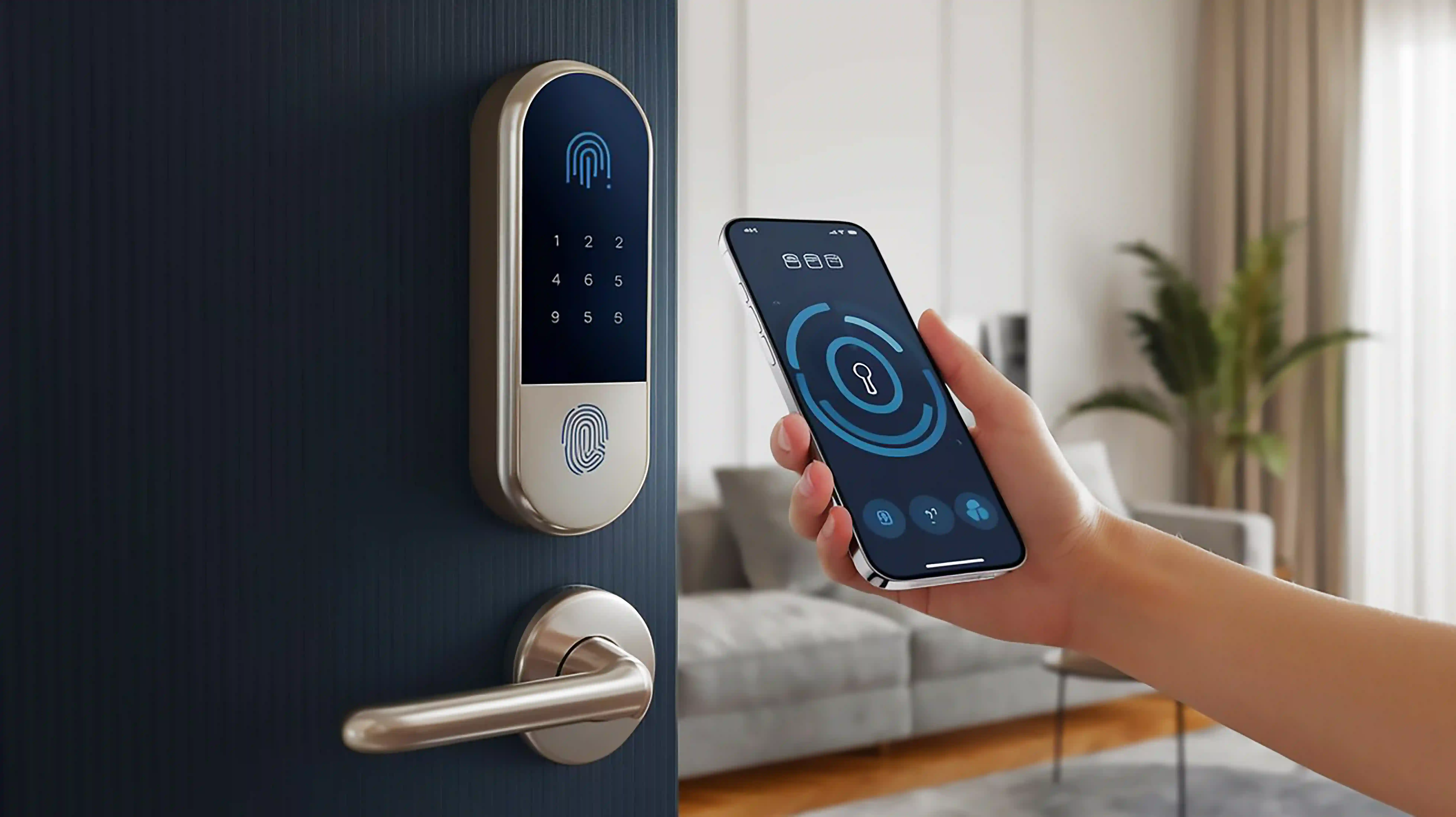
Why Locks Are the Unsung Heroes of Home Security
Ever step out of your Melbourne home, then sprint back halfway to double-check the door is locked? You’re not alone – I’ve been that paranoid homeowner more than once. Locks are the silent sentinels of our safety—unnoticed until you really need them. A solid lock installation is more than peace of mind; it’s part of basic security requirements in Victoria, especially for rental properties. It’s like hiring a dependable doorman who never sleeps.
It’s like hiring a dependable doorman who never sleeps. In this post, we’ll cover everything – from choosing the right lock for your door to avoiding rookie mistakes. We’ll dive into lock types, DIY vs. calling in a local locksmith, and even bonus tricks that turn a good lock into a great defense. All tailored to Aussie homes (and a wink at Melbourne’s quirky style and weather).
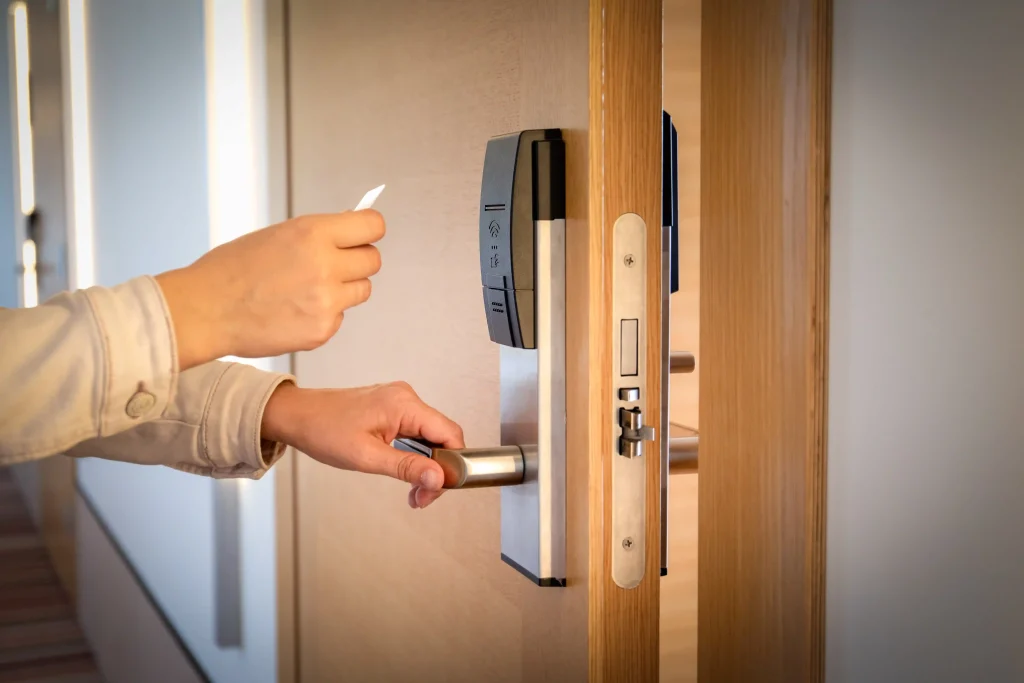
1. The Basics: What Is Lock Installation and Why It Matters
Lock installation isn’t just screwing in hardware – it’s placing every piece so your door becomes a fortress, not a flimsy flap. Done right, a lock keeps your home safe and even keeps your insurance company happy. Do it sloppily, and you might as well leave the door ajar. Consider: if the deadbolt doesn’t align with the frame, your door will jam or swing open with a firm push. Simple mistakes can invite break-ins or malfunctioning doors that never shut properly. In fact, one Melbourne locksmith points out that every exterior door “should have a deadlock or deadlatch” – a reminder that both safety and some insurance policies demand it. Proper lock installation is your peace of mind on the other side of the door, not a quick screwdriver job.
- Don’t underestimate alignment. A crooked strike plate or loose screws means the bolt won’t secure.
- Door material matters: you wouldn’t cram a heavy lock on a hollow door. The right lock for the right door keeps everything smooth.
- Security isn’t just about hardware; if it’s done wrong (or not at all), expect more than a broken key – think break-ins or voided insurance.
2. Know Your Locks: Types You’ll Actually Use
Every door needs a suitable lock. Here are the stars of the show:
- Deadbolts
The go-to for entry doors. Deadbolts push a solid metal bar into the door frame. You’ve got single-cylinder (key outside, thumb-turn inside) and double-cylinder (key both sides) varieties. Single-cylinders are easy for quick exits. Double-cylinders block anyone from unlocking through nearby glass – but always keep a spare key handy if you choose one. Deadbolts offer High security and are highly recommended on front/back doors. (Bonus: having a deadbolt often meets insurer requirements.)
- Smart Locks
Keypads, Bluetooth or Wi-Fi connected devices – the James Bond of locks. These let you unlock via phone or code. Perfect for busy families and Airbnb hosts (“No worries, your door code is 4821”). I swapped mine out last summer and now my phone is my key – zero regrets. Pros: Grant temporary access codes, see logs of who comes and goes, remote unlocking, and integrate with Apple Home or Google Nest. Cons: Pricey ($150–$400), need batteries or power (check them regularly!), and as secure as your network. In short, they’re great if convenience trumps “old-school,” but treat the password like gold.
- Mortice Locks
Heavy-duty and old-school. A mortice lock is embedded in the door’s edge (cut a pocket first). You see them on heritage Melbourne homes. They’re robust and High security – splitting a door won’t easily defeat them. Modern mortice setups combine latch and deadbolt. Installation is tricky (you’re basically carving the door), so usually a pro’s territory. If you’ve got one already, count yourself lucky; they resist kicking and tampering better than tube locks.
- Sliding Door & Window Locks
Often forgotten, but essential on patios and bay windows. Sliding doors usually have hook locks or pin locks that prevent the door from lifting out. Hinged windows might get a simple keyed latch. Aim for locks that kids can’t easily undo. These give Medium security, mostly guarding against opportunists. Always use them! Every unlocked sliding door is basically a welcome sign for intruders.
Quick Lock Comparison:
| Lock Type | Best For | Security Level | Cost Range (AUD) |
|---|---|---|---|
| Deadbolt | External doors | High | $60–$150 |
| Smart Lock | Modern homes | Medium-High | $150–$400 |
| Mortice Lock | Older/period homes | High | $80–$200 |
| Sliding Locks | Glass doors/windows | Medium | $30–$100 |
3. DIY vs Professional Lock Installation in Melbourne
So you’ve got your hardware – can you fit it yourself or should you call a local locksmith service? If you’re simply swapping an old lock for the exact same model on the same door, an afternoon DIYer might manage. You’ll need basic tools and some patience to line up parts. But be honest: locking your keys inside because of a dodgy install isn’t fun.
DIY-friendly cases: Replacing a cylinder or doorknob on the same door. Simple tubular locks or deadbolts with clear instructions.
Call in a pro for: Brand-new doors or frames, heavy mortice locks, master-key systems, or any restricted-key high-security cylinders. Oh, and electronic or smart systems too.
(Victoria fact: Locksmiths here don’t need a special state license to call themselves “locksmith”, but they do follow strict training. Most reliable locksmiths have finished a multi-year apprenticeship and joined the Master Locksmiths Association. If you need certified service, you can even check Consumer Affairs Victoria for guidelines or approved tradies.)
Costs: Expect experts to charge roughly $60/hour plus a call-out fee. Typically, unlocking your house might be $160–$225, and installing a lock around $210. So a straightforward swap can cost $80–$150. It feels like a lot, but remember: a botched install (or worse, a break-in) can cost far more. And yes, there are 24-hour locksmiths in Melbourne for those midnight emergencies – just remember their rates are higher!
4. How to Choose the Right Lock for Your Melbourne Home
Not all locks fit all doors. Consider your specific needs:
- Security level needed: Front doors need beefier locks (deadbolt or quality smart lock). Bedrooms or closets can use lighter knobs or levers.
- Door material: Solid timber can take a heavy mortice or deadbolt easily. Aluminum or hollow-wood doors often only handle tubular locks or a basic deadbolt. (Locking a flimsy door with a huge mortice can just split the door open.)
- Bushfire zones: In flame-risk areas around the outskirts, fire-rated doors are required. Most deadbolts and metal handles are fine on these, but check that any new lock doesn’t void the door’s BAL rating. Safety compliance first!
- Aesthetic match: Melbourne homes have style, right? Choose finishes that suit your decor – sleek black or chrome for modern pads, antique brass or pewter for heritage homes. Locks can actually look elegant, so pick something that blends with your door and design.
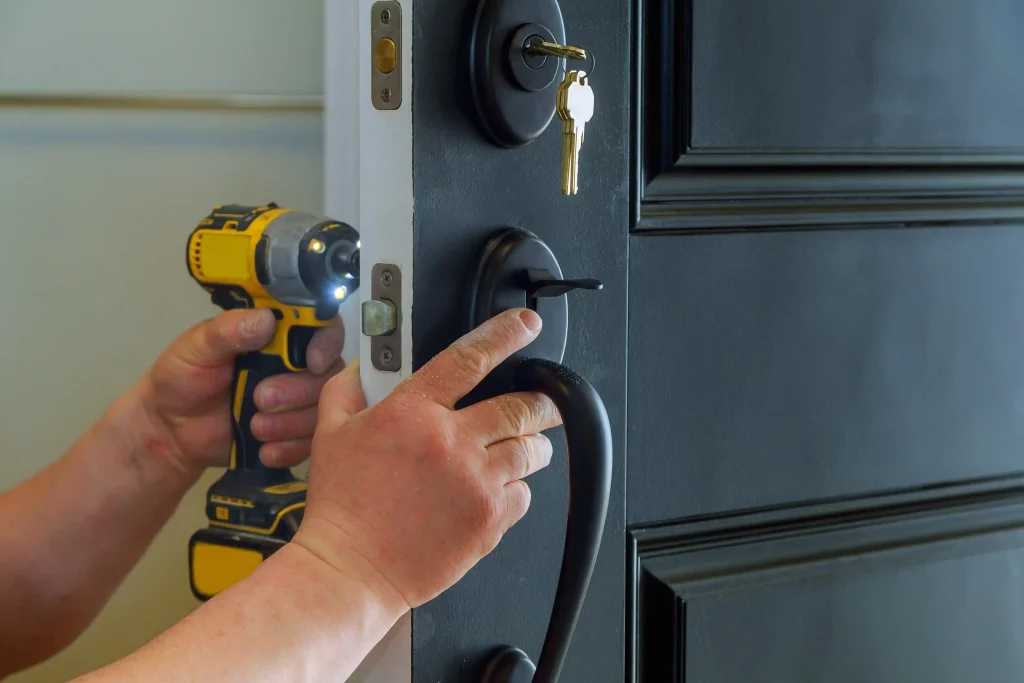
If vintage charm is your vibe, a classic key-in-knob or ornate lockset might do. This antique-style lock (above) is a reminder: safety can look good.
On the other hand, maybe you want futuristic. A sleek smart lock can be installed on a door for keyless entry (this one even has a touchscreen). Two different worlds – choose based on your taste and door type.
Oh, and one more tip: If you live where bushfires are a concern, make sure your door and lock are rated for it. Usually that means metal and good seals – just ask your locksmith or builder when installing.
5. Smart Locks: Worth the Upgrade or Just a Trend?
Smart locks are hot right now, but are they right for you?
- How they work: Usually battery-powered and wirelessly connected. Unlock with your phone, a code, or even fingerprint. Some sync with alarm systems or voice assistants.
- Advantages: No more hiding a spare key (and no more frantic calls to a 24-hour locksmith because you locked yourself out). You can give unique codes to family or tradespeople, and revoke them anytime. Check your phone’s app to see if the cleaner came and went on time. Integration with smart homes (Locklinks with lights or cameras) is a neat bonus.
- Drawbacks: These cost more (often a few hundred dollars). They need power – replace batteries before they die. And yes, the digital side can fail: poor Wi-Fi or a system glitch might leave you fiddling with old-school keys in frustration. Also, while big-brand smart locks are encrypted and generally safe, they’re only as secure as your network. Use a strong Wi-Fi password, set a solid PIN, and update the lock’s firmware as directed.
In short, smart locks are cool and convenient. They’re great if you love tech and want remote control. But never ditch your backup key entirely. A smart lock is only smart with responsible setup.
6. Post-Installation: Maintenance Tips That Actually Matter
Your locks will serve you well if you treat them right. A little maintenance goes a long way:
- Keep it clean: Every few months, wipe down your locks. Dirt and dust inside a lock cylinder can gum it up. A quick vacuum or blast of air can help prevent jams.
- Lubricate (the right way): Once a year, lubricate moving parts. Use dry graphite spray or a silicone-based lock lubricant. Avoid oil or WD-40 – those liquids attract grit and can actually freeze up a lock over time.
- Smart lock care: For electronic locks, swap out batteries before the low-power warning. Also, if there’s a firmware update, install it so any security holes get patched.
- Watch for wear: If a key starts sticking, the handle gets wobbly, or you see rust, those are signs it’s time for a replacement. Don’t let a half-working lock be your weak link.
Think of lock upkeep like changing oil in a car. A small tune-up now saves big headaches later. Keep things smooth and your door will never let you down at 3 AM.
7. Common Lock Installation Mistakes (And How to Avoid Them)
Even seasoned DIYers slip up. Avoid these traps:
- Misaligned strike plate: If your deadbolt doesn’t line up with the frame hole, it’ll bind or won’t latch at all. Always test the bolt as you install – mark, chisel a bit if needed, and adjust until it’s smooth.
- Wrong lock for the job: Don’t jam a tiny latch lock on a main entry door. Likewise, putting a heavy mortice lock on a thin interior door is overkill. Match your lock’s strength to its purpose.
- Using old screws: Those 20‑cent screws from the hardware store? Scrap them. Reuse of old, short screws means a weak install. Use new 3-inch screws for strike plates – they bite into the door frame’s stud, not just the outer wood.
- Skipping the pro: Channeling your inner handyman is great, but not for high-security installs. If you’re messing with a high-rise apartment or a commercial building’s lock, or dealing with restricted master keys, just call a certified residential or commercial locksmith. It’s not a badge of honor to botch it.
- Not testing enough: After any install, lock and unlock the door many times from each side. I once set up a new smart lock and didn’t test the backup code properly – got my keys locked inside on day one. Lesson: triple-check EVERYTHING (codes, cylinders, sensors) before declaring victory.
Watch out for these and your new lock will go on smoothly, not painfully.
8. Pro Tips to Make Your Home Even Safer
You’ve got a lock – now supercharge your security with these extras:
- Upgrade the strike plate: Most factory strike plates have 1‑inch screws. Replace them with 3-inch screws that reach the wall stud. This means a kick to the door won’t just yank the latch out – it’ll hit solid wood.
- Reinforce the door: Think about a door reinforcement kit or a security bar. These add metal plates or braces around your lock and hinges. Even an old Victorian door can stand up to force. It’s like giving your door some kevlar.
- Lock your meter box and gates: You’d be surprised: an unlocked power/gas meter box or side gate is a secret entrance. Bolt or padlock any external gate, and put a lock on the meter box too. (Yes, Victoria has had break-ins through open meter doors!) Don’t give thieves any extras.
- Light it up: Install a motion-sensing light near your main entrance. Just one random floodlight flicking on can spook a prowler. It’s cheap insurance: nobody wants to work in the spotlight!
- Bonus – Sync with smart gear: If you have smart security cameras or a doorbell, integrate them. For example, some systems can flash lights or alert you if a locking attempt fails.
These steps make your fortress even harder to breach. A deadbolt is great – a deadbolt with 3-inch screws and a floodlight is even better.
Locking It All In (Pun Intended)
Lock installation is more than a Saturday chore – it’s the cornerstone of home peace-of-mind. Whether you tackle it yourself or call a friendly local locksmith, a little planning pays off big. We’ve walked through picking the perfect lock, avoiding rookie mistakes, and even high-level tips that turn “not-bad” security into “bulletproof” confidence.
In Melbourne or anywhere, a well-installed lock is like an invisible guard at your door. You’re not just screwing in hardware; you’re bolting on peace of mind. If you’re unsure, lean on the experts – residential locksmiths can offer a quick consult (many even give free assessments). Now get out there, lock up, and sleep easy. A well-done lock means you’ve literally locked down your safety.
Frequently Asked Questions (FAQs)
Can I install a deadbolt on a hollow-core door?
Technically yes, but it’s not a great idea. Hollow-core doors are just thin wood or cardboard inside – they won’t hold a heavy deadbolt securely. For real security, stick to solid-core or timber doors, or reinforce the door first.
How long does professional lock installation take?
Usually only about 30–45 minutes per lock for a straightforward job. Replacing a cylinder can be under 20 minutes; installing a new mortice lock or complex system might take closer to an hour. It depends on the door and lock.
Are smart locks safe from hacking?
Modern smart locks use strong encryption, so yes – as long as you lock down your network. Use a strong Wi-Fi password and unique unlock code. Keep the lock’s firmware updated. No lock is 100% unhackable, but a well-configured smart lock is very secure – much safer than an old rusted deadbolt!